Sullivan's Island · June 28, 1776
Major General
1730 — 1805
Major General
William Moultrie
of South Carolina
1730 — 1805
Historical Archive · Portrait Study
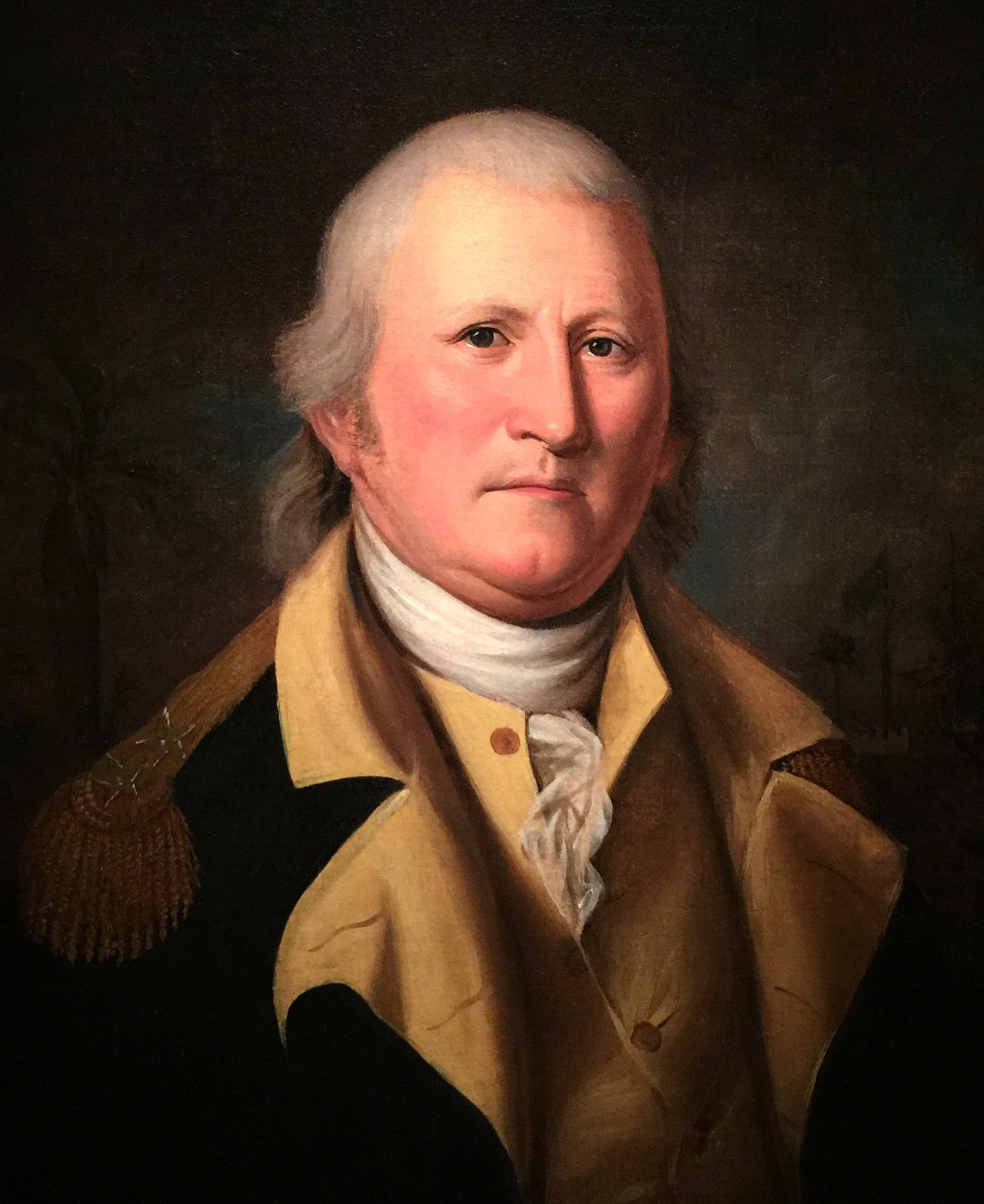
William Moultrie
Major General, Continental Army
Charleston, S.C., 1730 · Charleston, S.C., 1805
On June 28, 1776, Colonel William Moultrie held an unfinished fort made of palmetto logs against nine British warships for nine hours. The spongy palmetto absorbed British cannon fire rather than shattering. Charleston held. The South was saved from British occupation for four years.
He designed the blue flag with the white crescent that flew over the fort that day. It became the South Carolina state flag. He refused to defect while a prisoner of war despite considerable British inducement. Congress made him the last Major General it would appoint.
He is the man who held the line when it mattered most, and he remembers every detail of the nine hours that changed the war.